
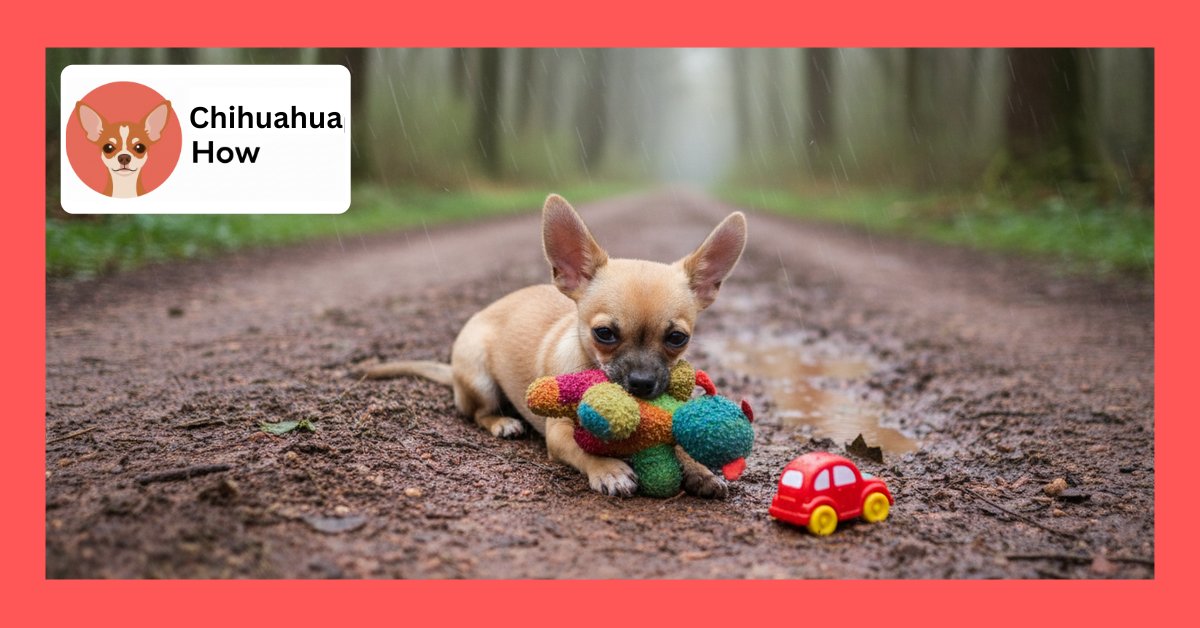
Train a Chihuahua using positive reinforcement only. This breed shuts down under pressure or punishment. Start with sit, stay, and recall in 5-minute sessions twice daily. Use high-value treats like chicken or cheese. Consistent repetition across 3-5 days teaches most basic commands reliably.
Training a Chihuahua requires a different approach than almost any other breed. They are intelligent enough to learn quickly but sensitive enough to shut down under the wrong training style. Here is how to get it right from the start.
How to train a Chihuahua comes down to one core principle: treat them like a dog, not a baby. Chihuahuas respond best to consistent, short training sessions using positive reinforcement, early socialization, and firm but gentle boundaries. With the right approach, most beginners can see noticeable results within two to four weeks.
This beginner’s guide walks you through everything you need to know, from basic obedience commands to potty training and socialization. Whether your Chihuahua is eight weeks old or two years old, these methods work. Let’s get started.
Why Training a Chihuahua Is Different From Other Breeds
Chihuahuas carry a reputation for being feisty, bossy, and difficult. That reputation is not entirely fair. The real problem is that most owners unknowingly encourage bad behavior by treating their Chihuahua like a fragile accessory rather than a capable dog.
No-Pull Harness for Chihuahuas
Chihuahuas have delicate tracheas. A harness distributes pressure safely across the chest instead of the neck.
According to the American Kennel Club, Chihuahuas are alert, confident, and deeply loyal dogs with a surprisingly bold personality. Those traits are assets in training when channeled correctly. Ignore them, and you end up with a dog that runs the household.
Unlike larger breeds, Chihuahuas are also prone to Small Dog Syndrome, a behavioral pattern where a small dog believes it is the pack leader. This happens when owners excuse bad behavior because the dog is too cute or too small to seem threatening. The fix is simple: set clear rules and enforce them consistently from day one.
How to Train a Chihuahua: Core Training Methods That Actually Work
Before diving into specific commands, you need to understand the two most effective training frameworks for Chihuahuas. Choosing the right method, or combining both, will determine how fast your dog progresses.
Positive Reinforcement Training
Positive reinforcement means rewarding the behavior you want to see repeated. Every time your Chihuahua sits on command, you reward them immediately with a treat, praise, or play. The reward must come within two seconds of the correct behavior, or your dog will not make the connection.
Keep training sessions short and frequent. Aim for five to ten minutes per session, two to three times per day. Chihuahuas have sharp minds but short attention spans. Long sessions lead to boredom and frustration for both of you.
Shaping Technique
Shaping is a more advanced method where you reward progressive approximations of the behavior you want. For example, if you are teaching your Chihuahua to roll over, you first reward them for lying down, then for tilting their body slightly, then for completing the full roll. This method builds complex behaviors step by step and works especially well for stubborn Chihuahuas who resist standard lure-based training.
Step-by-Step: Teaching Your Chihuahua the 5 Essential Commands
These five commands form the foundation of every well-trained dog. Master these first before moving on to advanced tricks or off-leash training.
- Sit: Hold a small treat close to your Chihuahua’s nose. Slowly move your hand up, causing their bottom to lower naturally. The moment they sit, say “Sit,” reward them immediately, and praise warmly. Repeat five times per session.
- Stay: Ask your Chihuahua to sit. Open your palm in front of you and say “Stay.” Take one step back. If they hold position for three seconds, reward them. Gradually increase the distance and duration over several sessions.
- Come: Crouch down to their level, open your arms, and say “Come” in a happy, excited tone. Never call your Chihuahua to you for something unpleasant, like nail trimming, or they will learn to avoid the command. For more detailed recall training techniques, check out our Chihuahua puppy recall training guide.
- Down: With your dog in a sit, hold a treat in front of their nose and slowly lower it toward the floor. As they follow the treat down, say “Down” and reward the moment their elbows touch the ground.
- Leave it: Place a treat on the floor and cover it with your hand. When your Chihuahua stops pawing and sniffing, say “Leave it” and reward them with a different treat from your other hand. This command can prevent dangerous situations on walks.
Chihuahua Potty Training: A Realistic Timeline
Potty training is the number one challenge for new Chihuahua owners. Their small bladders mean more frequent trips outside, and their stubborn streak can make accidents feel endless. Patience and consistency are your best tools here.
How Often Do Chihuahua Puppies Need to Go Outside?
Chihuahua puppies may need to go outside up to 14 times per day during the early stages of potty training. A general rule is that puppies can hold their bladder for roughly one hour per month of age. A two-month-old puppy needs a break every two hours, including through the night.
Take your puppy outside immediately after waking up, after every meal, after play sessions, and before bedtime. Use a consistent phrase like “Go potty” each time. When they go in the right spot, praise them enthusiastically right away.
Indoor vs. Outdoor Potty Training
Because of their small size, some Chihuahua owners opt for indoor training pads, especially in cold climates. Here is a quick comparison to help you decide which approach fits your lifestyle:
| Factor | Outdoor Potty Training | Indoor Pad Training |
|---|---|---|
| Long-term cleanliness | Higher (no indoor accidents) | Lower (pad maintenance required) |
| Weather dependency | Yes (cold/rain is a challenge) | No (works in any climate) |
| Training timeline | 4 to 6 months average | 2 to 4 months average |
| Best for | House with yard access | Apartments or cold regions |
| Transition difficulty | Low | Moderate (if switching outdoors later) |
Socialization: The Training Step Most Beginners Skip
Socialization is not optional. It is one of the most critical investments you will make in your Chihuahua’s behavior and happiness. A poorly socialized Chihuahua becomes fearful, reactive, and prone to excessive barking or snapping at strangers.
The prime socialization window for puppies runs from three to fourteen weeks of age. During this period, expose your Chihuahua to as many positive experiences as possible:
- Different people, including children, men with beards, and people wearing hats or glasses
- Other vaccinated dogs of various sizes
- Common sounds like traffic, vacuum cleaners, and doorbells
- New environments such as parks, pet stores, and car rides
- Gentle handling of their paws, ears, and mouth (essential for grooming and vet visits)
If you adopt an adult Chihuahua, socialization is still possible. Go at a slower pace, use high-value treats, and never force interactions. Gradual, positive exposure builds confidence over time.
Exercise Needs and How They Affect Training
A tired Chihuahua is a focused Chihuahua. Regular exercise burns off excess energy that would otherwise turn into hyperactivity or destructive behavior during training sessions.
Aim for 30 to 60 minutes of daily exercise, split across two or three shorter walks and indoor play sessions. Avoid high-impact activities like jumping from heights or rough play with much larger dogs. Chihuahuas have delicate bones that are prone to injury, particularly luxating patellas, a condition where the kneecap slips out of place. For more information about Chihuahua exercise requirements, including specific activities and safety guidelines.
Mental exercise matters just as much as physical activity. Puzzle feeders, scent games, and short training sessions all tire out a Chihuahua’s brain effectively. A five-minute training session can be more exhausting for your dog than a twenty-minute walk. Consider exploring scent tracking training as an excellent mental stimulation activity.
Breakaway Collar for Chihuahuas (Adjustable)
Lightweight and safe for small necks. Sized specifically for toy breeds so it fits without slipping or choking.
Common Chihuahua Training Mistakes to Avoid
Even well-meaning owners make mistakes that slow progress or create new problems. Watch out for these common pitfalls:
- Inconsistency: If you allow your Chihuahua on the couch one day and scold them for it the next, they cannot learn the rule. Every household member must enforce the same boundaries.
- Repeating commands: Saying “Sit, sit, sit, SIT” teaches your dog that the first command is optional. Say it once, wait, and only reward compliance.
- Using punishment: Yelling, leash jerking, or physical correction damages trust and often makes behavioral problems worse, especially in sensitive small breeds like Chihuahuas.
- Skipping basic training because they are small: An untrained Chihuahua is still an untrained dog. Size does not reduce the need for boundaries and structure.
If excessive barking becomes an issue during training, our comprehensive guide on Chihuahua barking problems offers proven solutions for quieter training sessions.
Conclusion
Training a Chihuahua takes patience, consistency, and a genuine respect for the dog’s intelligence and personality. Here are the key takeaways from this guide:
- Treat your Chihuahua like a dog, not an accessory, and set clear, consistent rules from day one
- Use short, frequent positive reinforcement sessions to teach the five essential commands
- Start potty training and socialization as early as possible for the best long-term results
- Balance physical exercise with mental stimulation to keep your dog calm and focused during training
Understanding how to train a Chihuahua is the single most valuable thing you can do for your relationship with your dog. Start with one command today, stay consistent, and you will be amazed at how quickly this little dog rises to meet your expectations.
Frequently Asked Questions
How long does it take to train a Chihuahua?
Most Chihuahuas learn basic commands like sit, stay, and come within two to four weeks of consistent daily training. Potty training typically takes four to six months for outdoor training, or two to four months for indoor pad training. Adult dogs may take slightly longer, but with patience and positive reinforcement, progress is absolutely achievable at any age.
Are Chihuahuas hard to potty train?
Chihuahuas can be more challenging to potty train than larger breeds because of their small bladders, which require more frequent bathroom breaks. They also tend to be stubborn. However, with a strict schedule, immediate rewards for correct behavior, and close supervision indoors, most Chihuahuas can be reliably potty trained within a few months.
What is the best age to start training a Chihuahua?
The best age to start training a Chihuahua is eight weeks old. Puppies begin absorbing information from their environment immediately, and the socialization window between three and fourteen weeks is critical for long-term behavioral health. That said, older Chihuahuas can absolutely be trained. Adult dogs simply require more patience and a slower, more gradual approach.
How do you stop a Chihuahua from barking excessively?
Excessive barking in Chihuahuas is usually rooted in fear, boredom, or lack of socialization. To address it, teach the “quiet” command by rewarding silence, ensure your dog gets enough daily exercise and mental stimulation, and work on gradual exposure to the triggers that cause barking. Never reward barking with attention, even negative attention, as this reinforces the behavior.
Can you train a Chihuahua without treats?
Yes, but treats are highly effective because they provide immediate, clear reinforcement. If your Chihuahua is not motivated by food, try using their favorite toy, verbal praise, or short play sessions as rewards instead. The key is finding what your specific dog values most and using that as the reward. Every dog is different, and training works best when rewards feel meaningful to the individual dog.
Why does my Chihuahua ignore me during training?
A Chihuahua that ignores commands is usually overtired, understimulated, distracted by the environment, or simply not motivated by the reward being offered. Try training in a quiet, low-distraction area first, keep sessions under ten minutes, and experiment with higher-value treats like small pieces of chicken or cheese. Building engagement and a stronger bond with your dog also dramatically improves responsiveness over time.
Is crate training good for Chihuahuas?
Yes, crate training is highly beneficial for Chihuahuas when done correctly. A crate gives your dog a safe, den-like space and is one of the most effective tools for potty training and preventing destructive behavior when unsupervised. Introduce the crate gradually using treats and praise, and never use it as punishment. Most Chihuahuas grow to love their crate as a personal retreat.
About the Author
Dane G. is a Chihuahua owner and enthusiast who writes about the breed’s unique needs, personality, and care requirements. All advice is based on personal experience and research from veterinary and breed-specific sources.