
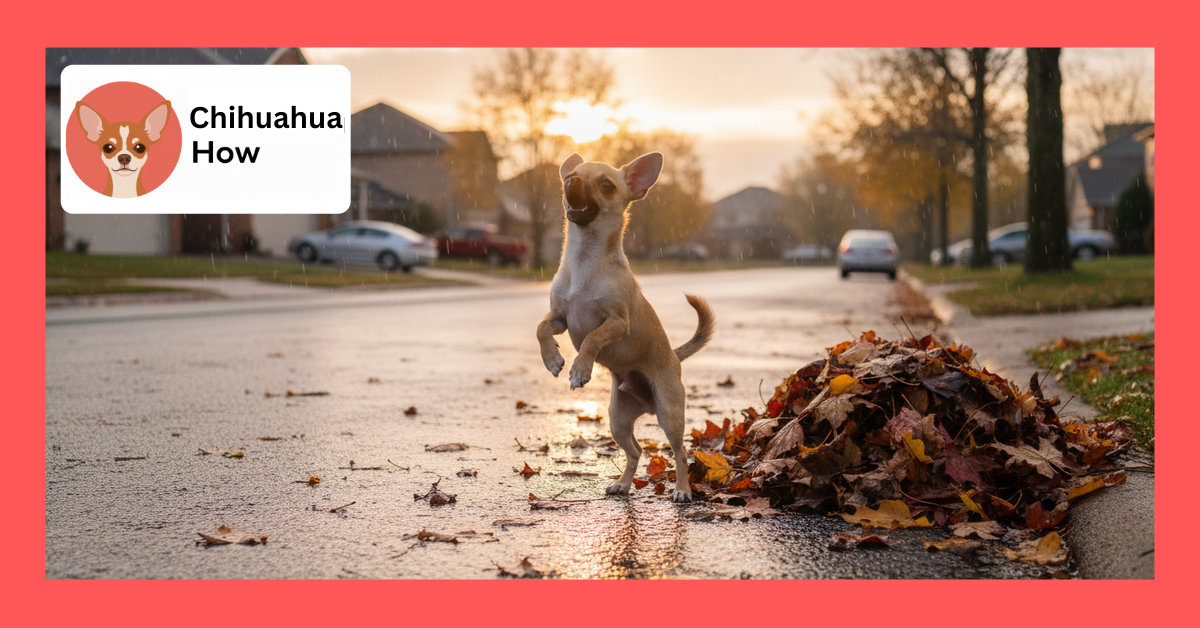
Chihuahuas need 20-30 minutes of play daily, split into 2-3 sessions of 5-10 minutes each. The most effective games are treat hide-and-seek, soft tug-of-war, and hallway fetch. Short, varied sessions prevent overheating and keep the breed mentally satisfied.
Chihuahuas are one of the most mentally demanding dogs you can own despite their size. A Chihuahua that does not get enough stimulation through play redirects that energy into barking, chewing, and anxiety. Here is how to play with yours in a way that actually satisfies them.
Chihuahuas need 30 to 60 minutes of daily activity split across short walks, interactive games, and puzzle challenges. The best play prioritizes mental stimulation and low-impact movement to protect their fragile bones while satisfying their intelligent, curious minds.
The challenge for most owners is finding activities that are safe, engaging, and easy to do indoors or out. Too much high-impact play risks injury. Too little stimulation leads to boredom, barking, and destructive habits. This guide covers the safest games, step-by-step instructions, expert-backed tips, and a full breakdown of what works for puppies versus adults, so you can build a play routine your Chihuahua will look forward to every single day.
Understanding Your Chihuahua’s Play Needs
Before diving into specific games, it helps to understand why Chihuahuas play differently than other breeds. According to BorrowMyDoggy’s breed guide, Chihuahuas require just 30 to 60 minutes of daily exercise, far less than larger breeds, but that time must be used wisely. Their small frames and delicate bone structure make high-impact activities like jumping from furniture or rough tug-of-war genuinely risky.
No-Pull Harness for Chihuahuas
Chihuahuas have delicate tracheas. A harness distributes pressure safely across the chest instead of the neck.
What they lack in endurance, they more than make up for in intelligence. Chihuahuas rank among the more trainable toy breeds, which means puzzle games and trick-based play satisfy them in ways that a simple walk simply cannot. Think of their brain as a muscle that needs just as much of a workout as their legs.
Their bold, assertive personalities also mean that without proper boundaries during play, they can develop small-dog syndrome, where they use barking or nipping to control interactions. Building structured play sessions from an early age prevents this and creates a calmer, more confident companion. If excessive barking becomes an issue, our guide to Chihuahua barking solutions offers effective strategies to address this common behavioral challenge.
Puppy vs. Adult Chihuahua Play
Play needs shift significantly as your Chihuahua grows. Puppies have developing joints and shorter attention spans, so sessions should be brief and controlled. Adults can handle the full 30 to 60 minutes spread across the day, while senior Chihuahuas benefit most from gentle mental challenges over physical activity.
| Life Stage | Daily Play Time | Best Activity Types | Key Consideration |
|---|---|---|---|
| Puppy (under 12 months) | 10 to 15 min sessions | Short fetch, gentle socialization | Avoid joint strain; prioritize bonding |
| Adult (1 to 7 years) | 30 to 60 min total | Puzzle toys, fetch, bubble chase, hide-and-seek | Balance mental and physical activity |
| Senior (7+ years) | 20 to 30 min total | Sniff games, easy puzzles, gentle walks | Watch for joint stiffness; keep low-impact |
How to Play With a Chihuahua: 5 Best Games Step by Step
Ready to get started? These five activities are specifically chosen for Chihuahuas based on their size, intelligence, and energy levels. Each one includes clear instructions so you can try them today, even with zero prior training experience.
1. Bubble Chase
This is one of the most popular and entertaining games for Chihuahuas. The unpredictable movement of bubbles taps into their natural prey drive and keeps them moving without any strain on their joints. Use pet-safe bubbles, which you can find at most pet stores, to keep things completely safe.
- Blow a small cluster of bubbles low to the ground in front of your Chihuahua.
- Pop one bubble yourself first so your dog sees it disappear and understands the game.
- Use an encouraging command like “Get them!” and blow more bubbles toward them.
- Praise enthusiastically each time they successfully chase or pop a bubble.
- Keep sessions to 5 to 10 minutes to avoid overexcitement.
2. The Shell Game
This classic game challenges your Chihuahua’s memory and scent-tracking ability. It is a brilliant mental workout that tires them out without a single jump or sprint. All you need are three small cups or pots and a high-value treat.
- Place three identical cups upside down in a row on the floor.
- Let your dog watch as you place a treat under one cup.
- Slowly shuffle the cups while saying “Watch it” in a calm, low tone.
- Ask “Which one?” and let your Chihuahua sniff and paw at the cups.
- When they choose correctly, lift the cup, praise generously, and let them eat the treat.
- Gradually increase shuffle speed as they improve.
3. Teddy Bear Fetch
Standard fetch works beautifully for Chihuahuas when you scale it down properly. A soft, lightweight stuffed toy is ideal because it is gentle on their mouths and does not encourage aggressive shaking or tugging. Keep throws short and low to the ground. For more detailed guidance on this activity, check out our comprehensive article on whether Chihuahuas will play fetch and how to train them for it.
- Choose a small, soft stuffed toy your dog already likes.
- Toss it just a few feet away and say “Fetch!” clearly.
- When they pick it up, crouch down, open your arms, and call “Come!” warmly.
- Reward the drop with a treat and enthusiastic praise.
- Repeat 5 to 8 times, then end the session while they are still eager.
4. Hide-and-Seek With Treats or Toys
Hide-and-seek activates your Chihuahua’s powerful nose and satisfies their natural urge to search and explore. It is one of the best indoor activities for apartment-dwelling owners and works even in a small living room. Start easy and build difficulty over time. This type of scent work can be expanded into more advanced training – our Chihuahua scent tracking training guide provides detailed instructions for developing these natural abilities further.
- Ask your dog to sit and stay, or have someone hold them gently.
- Place a treat or favorite toy in a visible but slightly hidden spot, such as behind a chair leg.
- Release them with “Find it!” and cheer them on as they search.
- Praise and reward every successful find.
- Gradually hide treats inside toilet paper rolls, under a folded blanket, or behind doors as they get better.
5. Puzzle Toy Challenges
Interactive puzzle toys filled with kibble or small treats like pieces of carrot or apple are among the safest and most effective tools for Chihuahua enrichment. They promote slow eating, reduce boredom, and support weight management, all without any risk of physical injury. Look for Level 1 or Level 2 puzzle feeders to start.
Safety Rules Every Chihuahua Owner Must Follow
Knowing how to play with a Chihuahua safely is just as important as knowing which games to choose. Their tiny frames make them more vulnerable to injury than any other breed, and some well-meaning play habits can cause real harm.
- Avoid high jumps: Never encourage your Chihuahua to jump from furniture or heights above their own body length. Fractures from falls are a common emergency in the breed.
- Skip rough tug-of-war: Aggressive tugging can injure their necks and jaws. If you play tug, keep it gentle and always let them win occasionally to build confidence.
- Use a harness, not a collar: Chihuahuas are prone to tracheal collapse, so always attach leashes to a fitted harness during outdoor play and walks.
- Watch for overheating: Their small bodies heat up quickly. Keep outdoor play under 20 minutes in warm weather and always offer fresh water.
- Stop at signs of fatigue: Excessive panting, reluctance to engage, or lying down mid-game means it is time to stop, not push through.
Mental Stimulation: The Secret Weapon for a Happy Chihuahua
Here is something many new owners miss entirely. A Chihuahua that gets enough mental stimulation is dramatically calmer, less prone to barking, and easier to train than one that only gets physical exercise. Their intelligence demands to be put to work, and play is the most enjoyable way to do it.
Simple DIY puzzles work brilliantly. Try hiding small kibble pieces inside a muffin tin covered with tennis balls, or rolling treats inside a towel for your dog to unravel. These cost nothing and can keep a curious Chihuahua engaged for 15 to 20 minutes at a stretch.
Breakaway Collar for Chihuahuas (Adjustable)
Lightweight and safe for small necks. Sized specifically for toy breeds so it fits without slipping or choking.
Combining mental games with basic obedience during play sessions also pays dividends. Practice “Sit,” “Stay,” and “Find” commands within the context of games, and you will reinforce training while your dog thinks they are just having fun. It is one of the smartest investments you can make in a well-mannered companion.
Tips for Using Positive Reinforcement During Play
- Always demonstrate a new game yourself first before expecting your dog to understand it.
- Use a calm, low tone for commands and a higher, enthusiastic tone for praise.
- Reward immediately after the correct behavior, within 2 seconds, so your dog makes the connection.
- Keep treats small, no larger than a pea, to avoid overfeeding during frequent reward sessions.
- End every session on a success so your Chihuahua finishes feeling confident and happy.
Building a Weekly Play Routine for Your Chihuahua
Consistency is the key to a well-exercised, emotionally balanced Chihuahua. Rather than cramming all activity into one long session, spread shorter bursts throughout the day. Two or three 10 to 20 minute sessions tend to work better than one 45-minute marathon, especially for dogs prone to overexertion.
A simple weekly rhythm might look like this: mornings for a short leash walk with a harness, midday for a puzzle toy or shell game, and evenings for fetch or hide-and-seek. Rotating games every few days prevents boredom and keeps your dog eager and engaged rather than predictably disinterested.
Do not forget socialization as part of the play schedule. Introducing your Chihuahua to new environments, friendly dogs, and different people during play builds the confidence that prevents fear-based aggression, a real concern in this bold but sometimes anxious breed.
Conclusion
Learning how to play with a Chihuahua properly transforms your relationship with your dog and their overall quality of life. Here are the key takeaways to remember:
- Aim for 30 to 60 minutes of daily activity split into short, manageable sessions.
- Prioritize mental stimulation through puzzle games, hide-and-seek, and the shell game alongside gentle physical play.
- Always use positive reinforcement, demonstrate games first, and end sessions on a positive note.
- Follow safety rules around jumping, collar use, and overheating to protect their fragile bodies.
Your Chihuahua does not need a giant backyard or hours of your time. They need your creativity, your attention, and a handful of well-chosen games played with enthusiasm. Start with one activity from this guide today and watch just how quickly this tiny dog rises to the challenge.
Frequently Asked Questions
How much playtime does a Chihuahua need each day?
Chihuahuas need 30 to 60 minutes of daily activity, which can include short walks, interactive games, and puzzle challenges. It is best to split this into two or three shorter sessions rather than one long period. Puppies under 12 months should have even shorter, controlled sessions to protect their developing joints and avoid fatigue.
What are the best indoor games for a Chihuahua?
The best indoor games for Chihuahuas include the shell game with treat-filled cups, hide-and-seek with snacks or toys, DIY puzzle feeders using muffin tins or towels, and soft toy fetch across a hallway. These activities require minimal space, protect fragile bones, and deliver the mental stimulation Chihuahuas need to stay calm and content indoors.
Is it safe to play fetch with a Chihuahua?
Yes, fetch is safe for Chihuahuas when done correctly. Use a small, soft stuffed toy rather than a hard ball, keep throws short and low to the ground, and limit the session to 5 to 8 rounds. Avoid encouraging your dog to leap or jump during retrieval. Always play on a soft surface like carpet or grass to reduce joint impact.
How do I stop my Chihuahua from being aggressive during play?
Play aggression in Chihuahuas usually stems from overstimulation or a lack of boundaries. Stop the session immediately and calmly if biting or snapping occurs, then restart once your dog is settled. Use structured games with clear commands rather than free rough play. Consistent positive reinforcement and early socialization are the most effective long-term solutions for managing play-related aggression.
Can Chihuahuas play with larger dogs?
Chihuahuas can interact with larger dogs, but supervision is essential. Even a well-meaning larger dog can accidentally injure a Chihuahua through rough play or an accidental knock. Introduce dogs on neutral ground, keep initial interactions brief, and watch body language closely. Choose playmates with calm, gentle temperaments and avoid dogs that play with excessive jumping or pawing.
What toys are best for Chihuahua mental stimulation?
The best mental stimulation toys for Chihuahuas are Level 1 or Level 2 puzzle feeders, treat-dispensing balls, and snuffle mats where kibble is hidden in fabric folds. Interactive toys that require your dog to slide, lift, or spin components to release treats are especially effective. Rotate toys every few days to keep novelty high and prevent your Chihuahua from losing interest.
How do I play with a Chihuahua puppy safely?
To play safely with a Chihuahua puppy, keep sessions under 15 minutes, avoid any jumping or rough contact, and focus on gentle bonding activities like soft toy fetch and basic command games. Never allow puppies to leap from furniture or stairs. Prioritize socialization by introducing them to new sounds, textures, and friendly people during play to build confidence as they grow.
About the Author
Dane G. is a Chihuahua owner and enthusiast who writes about the breed’s unique needs, personality, and care requirements. All advice is based on personal experience and research from veterinary and breed-specific sources.