
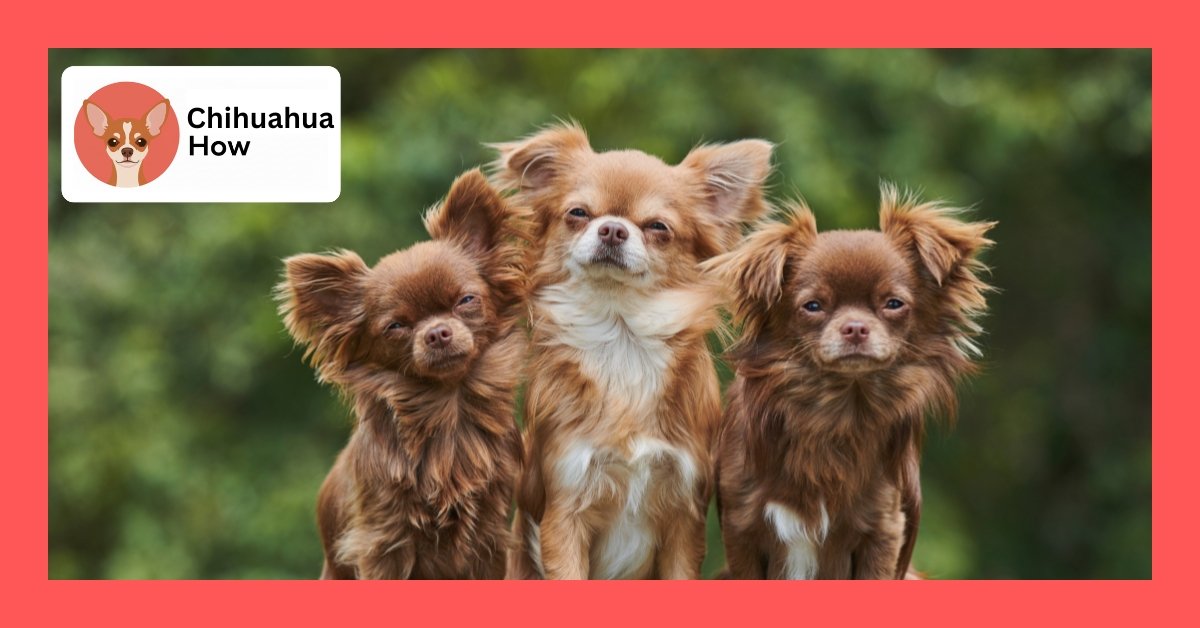
30 to 60 minutes of daily activity combining physical exercise and mental stimulation. Despite their small size, Chihuahuas are high-energy dogs that get destructive and anxious without enough stimulation. Short, frequent sessions work better than one long walk.
Does your tiny Chihuahua have endless energy packed into that pocket-sized body? You’re not alone. These spirited companions may be small, but their need for stimulation is mighty.
Chihuahuas require 30 to 60 minutes of daily activity combining physical exercise and mental stimulation through interactive games, puzzle toys, and socialization. Without proper engagement, these intelligent dogs can develop behavioral issues like excessive barking, anxiety, and destructive habits.
The good news? Keeping your Chihuahua happy and healthy doesn’t require a massive backyard or expensive equipment. This guide reveals expert-backed Chihuahua playtime activities that strengthen your bond, sharpen your dog’s mind, and channel that famous Chihuahua sass into positive behaviors. According to canine behavior experts, the secret lies in variety and mental challenges, not just physical exhaustion.
Why Your Chihuahua Needs More Than Just Walks
Many Chihuahua owners mistakenly believe a quick walk around the block satisfies their pet’s exercise needs. The reality runs much deeper.
No-Pull Harness for Chihuahuas
Chihuahuas have delicate tracheas. A harness distributes pressure safely across the chest instead of the neck.
Chihuahuas rank among the most intelligent small breeds. Their sharp minds crave problem-solving opportunities and novel experiences. When you provide only physical exercise without mental stimulation, you’re feeding half their hunger.
Veterinarians consistently emphasize the connection between under-stimulated Chihuahuas and common behavioral problems. Separation anxiety, territorial aggression, and obsessive barking often stem from boredom rather than personality flaws. If you’re dealing with these issues, understanding whether your Chihuahua has anxiety can help you address the root cause. Think of playtime as preventive medicine for your dog’s mental health.
Indoor Chihuahua Playtime Activities That Burn Energy
Living in an apartment or facing bad weather doesn’t mean playtime stops. These indoor activities keep your Chihuahua engaged regardless of space constraints.
Interactive Fetch and Tug Games
Indoor fetch works perfectly for Chihuahuas because they don’t need long distances to tire out. Use a hallway or clear living room space with soft, lightweight toys. Tug-of-war strengthens your bond while providing excellent physical exercise.
The key is keeping sessions short and energetic. Five to ten minutes of intense play beats thirty minutes of half-hearted activity. If you’re wondering about your Chihuahua’s natural retrieval instincts, learn more about whether Chihuahuas play fetch and how to encourage this behavior.
Puzzle Toys and Treat Dispensers
Puzzle toys transform snack time into brain training. These clever devices require your Chihuahua to solve problems like sliding panels, lifting flaps, or rolling balls to access treats.
Start with beginner-level puzzles and gradually increase difficulty as your dog masters each challenge. This progression keeps the activity engaging for months. Treat-dispensing toys also slow down fast eaters while providing mental enrichment.
Hide and Seek Adventures
This classic game taps into your Chihuahua’s natural hunting instincts. Hide treats or favorite toys around your home and encourage your dog to find them. You can also hide yourself and call your Chihuahua’s name for an exciting recall game.
The scent work involved in hide and seek provides exceptional mental stimulation. Dogs use significantly more brain power processing smells than any other sensory input. For more advanced nose work activities, explore Chihuahua scent tracking training to develop these natural abilities further.
Outdoor Activities Tailored for Small Dogs
When weather permits, outdoor play offers additional sensory experiences and socialization opportunities. Always consider your Chihuahua’s size and temperature sensitivity.
Short Structured Walks
While not purely play, walks provide crucial exploration time. Let your Chihuahua sniff interesting spots rather than rushing through the route. This “sniffari” approach delivers mental enrichment alongside physical activity.
Avoid overexertion during hot weather. Chihuahuas are prone to overheating due to their small size and breathing mechanics.
Flirt Pole Training
A flirt pole resembles a giant cat toy on a stick. It allows your Chihuahua to chase, pounce, and capture prey-like movements safely. This activity burns tremendous energy in minimal space and time.
Use flirt pole sessions to practice impulse control by teaching your dog to wait for permission before chasing. This combines physical play with obedience training seamlessly.
Supervised Playdates
Socializing with other small dogs builds confidence and teaches appropriate play behaviors. Chihuahuas can be cautious around larger breeds, so arrange meetups with similarly sized companions.
Always supervise interactions closely. Watch for signs of stress like tucked tails, excessive yawning, or attempts to hide. Positive early experiences create social butterflies rather than anxious barkers.
Age-Specific Playtime Strategies
Your Chihuahua’s play needs evolve throughout their life. Matching activities to age prevents injury and maintains engagement.
| Life Stage | Daily Activity Duration | Best Activities | Special Considerations |
|---|---|---|---|
| Puppy (8 weeks – 1 year) | 15-20 minutes, 3-4 times daily | Gentle fetch, basic training games, soft toy play | Avoid stairs and jumping; protect growing joints |
| Adult (1-7 years) | 30-60 minutes daily | Puzzle toys, agility courses, flirt pole, playdates | Peak energy requires mental and physical challenges |
| Senior (7+ years) | 20-30 minutes daily | Scent games, gentle walks, easy puzzles | Monitor for arthritis; adjust intensity as needed |
Puppy Play Guidelines
Chihuahua puppies have boundless enthusiasm but limited stamina. Their attention spans max out around five minutes for structured activities. Focus on short, frequent play sessions that incorporate basic training.
Socialization takes priority during puppyhood. Expose your young Chihuahua to various sounds, surfaces, people, and gentle dogs. These experiences shape lifelong confidence and adaptability.
Adapting Activities for Senior Chihuahuas
Older Chihuahuas still need mental stimulation even when physical abilities decline. Scent games, simple puzzle toys, and gentle indoor fetch keep their minds sharp without stressing aging joints.
Watch for signs of discomfort during play. If your senior Chihuahua limps, hesitates to jump, or seems reluctant to play, consult your veterinarian about pain management options.
How to Create a Balanced Playtime Routine
Consistency transforms scattered play into a comprehensive enrichment program. Follow these steps to build a routine your Chihuahua will thrive on.
Step 1: Assess Your Dog’s Energy Level
Spend one week observing when your Chihuahua seems most energetic. Some dogs peak in the morning while others come alive at sunset. Schedule active play during these natural energy surges.
Step 2: Rotate Activities Weekly
Create a simple schedule alternating between physical games, mental puzzles, and social activities. Rotation prevents boredom and keeps your Chihuahua guessing what comes next. The novelty factor maintains high engagement levels.
Step 3: Combine Play with Training
Integrate basic obedience commands into playtime. Ask for a “sit” before throwing a toy or practice “stay” during hide and seek. This dual approach reinforces good behavior while delivering mental challenges.
Step 4: Monitor and Adjust
Track behavioral changes after implementing your routine. Decreased barking, better sleep, and calmer demeanor indicate you’ve hit the sweet spot. Persistent anxiety or hyperactivity suggests adjustments are needed.
DIY Playtime Ideas on a Budget
Enrichment doesn’t require expensive gear. These homemade activities deliver professional-level stimulation using household items.
- Muffin Tin Puzzle: Place treats in muffin cups and cover with tennis balls. Your Chihuahua must remove balls to access rewards.
- Cardboard Box Maze: Connect boxes with cut-out doorways to create an exploration course. Hide treats throughout for added motivation.
- Frozen Treat Toys: Fill a Kong or similar toy with wet food and freeze. The challenge of extracting frozen goodies provides long-lasting entertainment.
- Bottle Spinner: Suspend a plastic bottle horizontally on a rod. Cut small holes in the bottle and fill with kibble. Your dog spins the bottle to dispense food.
- Towel Snuffle Mat: Roll treats inside a towel or tie them in knots. Your Chihuahua must unroll and untie to find the treasure.
Recognizing When Your Chihuahua Needs More Stimulation
Even with a solid routine, life circumstances change. Watch for these warning signs that your Chihuahua needs additional playtime or different activities.
Breakaway Collar for Chihuahuas (Adjustable)
Lightweight and safe for small necks. Sized specifically for toy breeds so it fits without slipping or choking.
Excessive barking, especially when you’re home, often signals boredom rather than alertness. Destructive chewing on furniture or belongings indicates your dog is creating their own entertainment. If you’re experiencing these challenges, understanding why Chihuahuas become destructive can help you implement targeted solutions. Pacing, restlessness, or difficulty settling down suggests unmet energy needs.
Some Chihuahuas develop attention-seeking behaviors like pawing, whining, or bringing toys repeatedly. While adorable, these actions reveal an under-stimulated mind begging for challenges. Increase puzzle complexity or introduce new game types when you notice these patterns.
Common Playtime Mistakes to Avoid
Well-intentioned owners sometimes sabotage their efforts with these frequent errors. Recognizing and correcting them maximizes playtime benefits.
Relying Only on Physical Exercise
A tired Chihuahua isn’t necessarily a fulfilled Chihuahua. Physical exhaustion without mental stimulation creates physically fit but mentally bored dogs. Balance is essential for complete wellbeing.
Keeping the Same Toys Available Constantly
Toy rotation works wonders for maintaining interest. Store half your dog’s toys and swap them every week. Old favorites feel brand new after a brief absence, saving you money on constant purchases.
Forcing Interaction When Your Dog Shows Disinterest
Respect your Chihuahua’s signals. If your dog walks away, yawns excessively, or lies down during play, they’re communicating a need for rest. Forced play creates negative associations rather than joyful experiences.
Key Takeaways for Successful Chihuahua Playtime Activities
Enriching your Chihuahua’s life through varied, engaging play prevents behavioral issues while strengthening your bond. Remember these essential points as you implement your new routine.
First, balance physical activity with mental challenges. Your Chihuahua’s brain needs workouts just as much as their body. Second, adapt activities to your dog’s age, health status, and individual preferences. What works for a rambunctious puppy won’t suit a dignified senior.
Third, consistency creates security. Regular playtime becomes a cherished ritual your Chihuahua anticipates daily. Finally, observation trumps assumption. Watch your dog’s responses and adjust accordingly rather than following rigid rules.
With these expert-backed Chihuahua playtime activities in your toolkit, you’re equipped to transform those big-dog attitudes into channeled, positive energy. Your tiny companion will thank you with better behavior, improved health, and unconditional devotion.
10 Specific Enrichment Activities for Chihuahuas
Not all activity is equal for this breed. Chihuahuas respond best to short, varied sessions that mix physical movement with mental challenge. These ten activities work specifically well for Chihuahuas because of their size, intelligence, and scent-drive:
- Hide-and-seek with treats. Hide small treats in 5 to 10 spots around a single room. Let your Chihuahua sniff them out. This engages their olfactory system deeply and takes 10 to 15 minutes.
- Flirt pole. A small wand toy with a feather or rope end. Mimics prey movement, triggers chase instinct. Use in bursts of 3 to 5 minutes to avoid overheating.
- Mini agility circuit. Set up 3 to 4 low obstacles: a cushion to jump over, a stick laid flat to step through, a hula hoop held at ground level. Rotate obstacles weekly.
- Tug-of-war with a light rope. Chihuahuas can tug effectively with a soft rope toy. Letting them win builds confidence. Keep sessions under 5 minutes.
- Puzzle feeders. Snuffle mats and Kong toys make mealtime 15 minutes of mental work instead of 30 seconds of eating. Effective for dogs that are destructive from boredom.
- Chase-the-laser. Only suitable for dogs that do not develop obsessive behaviors. Use a low-power pointer and always end the session with a physical treat they can catch.
- Stair runs. If you have a staircase, send your Chihuahua up and down 3 to 4 times. This is high-intensity cardio in under 2 minutes. Not suitable for dogs under 12 months or with joint issues.
- Fetch in a hallway. Hallway fetch is controlled, short-distance, and safe for Chihuahuas who struggle with outdoor distractions. Use a soft ball slightly larger than a golf ball.
- New route walks. Changing your walk route activates scent exploration far more than a familiar path. Aim for 2 to 3 different routes per week.
- Training session games. Teaching a new trick counts as mental exercise. Chihuahuas learn new behaviors quickly. A 5-minute trick session at the same time each day provides both stimulation and routine.
Nose Work: The Best Mental Exercise for Chihuahuas
Nose work is the single most effective enrichment activity for Chihuahuas. It uses their strongest sensory ability, takes almost no physical space, and tires them out faster than physical exercise alone. A Chihuahua that does 20 minutes of nose work will sleep more deeply than one that did 40 minutes of walking.
To start nose work at home, place a treat inside one of three identical cups turned upside down. Let your Chihuahua sniff and paw at the correct cup. When they identify it consistently, move to boxes, then to rooms. Progress at whatever pace your dog finds rewarding, not frustrating.
The formal version of nose work, called AKC Scent Work, is a competition where dogs identify specific essential oils (birch, anise, clove, cypress). Chihuahuas compete in toy breed divisions and have a strong track record in these events. If your Chihuahua takes to basic nose work, this is a natural next step.
Frequently Asked Questions
How much playtime does a Chihuahua need daily?
Adult Chihuahuas typically need 30 to 60 minutes of daily activity split between physical exercise and mental stimulation. Puppies require shorter sessions of 15 to 20 minutes repeated three to four times daily, while senior Chihuahuas do well with 20 to 30 minutes of gentler activities. Individual energy levels vary, so adjust based on your dog’s behavior and enthusiasm.
What are the best indoor games for Chihuahuas?
Top indoor activities include puzzle toys that dispense treats, hide and seek with toys or yourself, indoor fetch with soft balls, tug-of-war with appropriate-sized toys, and scent games using hidden treats. These activities provide mental stimulation alongside physical exercise, perfect for small spaces. Rotating different games weekly prevents boredom and maintains high engagement.
Can Chihuahuas play with larger dogs safely?
Chihuahuas can interact with larger dogs, but extreme caution is necessary. Their small size makes them vulnerable to accidental injury during rough play. Supervised introductions with gentle, dog-savvy larger breeds can work, but playdates with similarly sized dogs are safer and more appropriate. Always watch body language closely and separate dogs at the first sign of stress or overly intense play.
Why does my Chihuahua refuse to play?
Several factors cause play refusal. Health issues like dental pain, arthritis, or illness make play uncomfortable. Fear or anxiety from past negative experiences creates reluctance. Some Chihuahuas haven’t learned how to play if they missed proper socialization as puppies. Try different toy types, gentler approaches, or consult your veterinarian to rule out medical causes. Patience and positive reinforcement help hesitant dogs discover play’s joy.
How do I mentally stimulate my Chihuahua?
Mental stimulation comes from puzzle toys, scent work, training new tricks, food-dispensing toys, and novel experiences. Teach your Chihuahua the names of different toys and ask them to fetch specific ones. Create obstacle courses using household items. Practice “find it” games where your dog searches for hidden treats. Even simple training refreshers for basic commands engage your Chihuahua’s problem-solving abilities.
What toys are safest for Chihuahuas?
Choose toys sized appropriately for small mouths without detachable parts that pose choking hazards. Rubber toys designed for small breeds, rope toys with secure knots, puzzle feeders, and soft plush toys without plastic eyes work well. Avoid toys marketed for larger dogs, rawhide that can break into dangerous chunks, and anything small enough to swallow whole. Regularly inspect toys for damage and replace worn items immediately.
How can I tire out my high-energy Chihuahua?
High-energy Chihuahuas need a combination approach. Start with a brisk walk for physical exercise, then engage in mentally taxing activities like advanced puzzle toys or training sessions teaching new tricks. Flirt pole games provide intense physical activity in short bursts. The secret is mental exhaustion, not just physical tiredness. A challenged brain creates a calmer, more satisfied Chihuahua faster than exercise alone.
About the Author
Dane G. is a Chihuahua owner and enthusiast who writes about the breed’s unique needs, personality, and care requirements. All advice is based on personal experience and research from veterinary and breed-specific sources.