
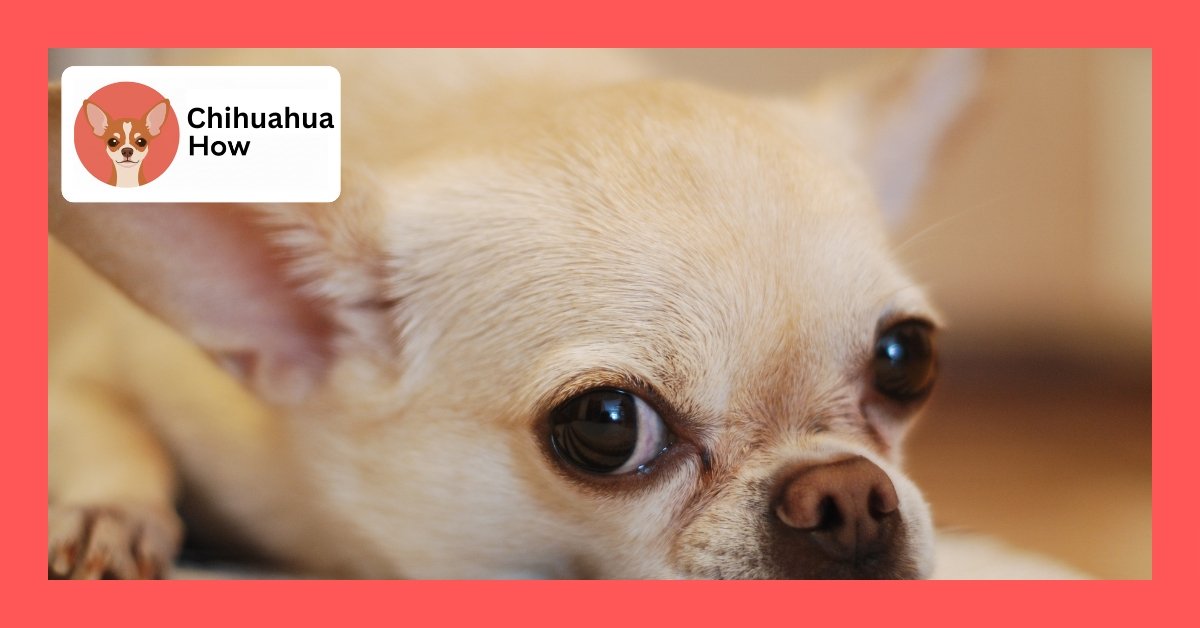
Chihuahuas can display aggression toward other dogs, but it is almost always fear-based, not dominance-based. Proper socialization before 14 weeks dramatically reduces this behavior.
Chihuahuas are statistically more likely to show aggression toward other dogs than most large breeds, but the reason is not what most owners think. It is not dominance. It is fear, and it is almost entirely preventable with the right early socialization.
Are Chihuahuas aggressive to other dogs? Research shows that Chihuahuas do exhibit higher rates of aggressive behavior toward other dogs compared to larger breeds, primarily due to territorial instincts, fear-based responses, and inadequate socialization rather than inherent aggression.
Understanding the root causes of this behavior is crucial for creating harmonious multi-dog households and ensuring safe interactions in public spaces. According to recent studies published in Nature Scientific Reports, small dog breeds including Chihuahuas show statistically significant higher aggression rates when environmental factors are controlled.
Understanding Chihuahua Behavior Toward Other Dogs
Chihuahuas demonstrate unique behavioral patterns that often manifest as aggression toward other dogs. These behaviors stem from a complex combination of biological, environmental, and social factors.
No-Pull Harness for Chihuahuas
Chihuahuas have delicate tracheas. A harness distributes pressure safely across the chest instead of the neck.
Common Aggressive Behaviors in Chihuahuas
When encountering other dogs, Chihuahuas typically display several warning signs and aggressive behaviors:
- Reactive barking – High-pitched, continuous vocalizations directed at approaching dogs
- Lunging and snapping – Sudden forward movements with attempts to bite or nip
- Resource guarding – Protecting toys, food, or their owner from other dogs
- Territorial displays – Blocking pathways or positioning themselves between their owner and other dogs
- Fear-based aggression – Aggressive responses when feeling cornered or overwhelmed
The Science Behind Small Dog Aggression
Recent research reveals fascinating insights about size-related aggression patterns. A comprehensive study analyzing over 9,000 dogs found that body size correlates directly with aggressive tendencies.
Smaller breeds like Chihuahuas score higher on aggression scales due to evolutionary survival mechanisms. Their ancestors relied on bold, defensive behaviors to compensate for physical disadvantages against larger threats.
Factors Contributing to Chihuahua Aggression
Multiple variables influence whether a Chihuahua will display aggressive behavior toward other dogs. Understanding these factors helps owners address root causes effectively.
Environmental and Demographic Influences
Recent 2026 studies highlight several key risk factors that increase aggression likelihood:
| Risk Factor | Impact Level | Explanation |
|---|---|---|
| Single-dog household | High | Limited socialization opportunities |
| First-time owner | Medium-High | Inexperience with behavior management |
| Male gender | Medium | Slightly higher territorial tendencies |
| Increasing age | Medium | Reduced adaptability to new situations |
| High fearfulness | High | Fear-based defensive responses |
Inadequate Socialization
Poor early socialization represents the most significant contributor to dog-directed aggression in Chihuahuas. Dogs not exposed to other canines during their critical socialization period (3-14 weeks) often develop fear-based aggressive responses.
This lack of exposure creates a cycle where fearful reactions lead to negative experiences, reinforcing aggressive behaviors over time. For households considering adding another pet, understanding proper introduction techniques is essential – particularly when considering how Chihuahuas interact with cats, as similar socialization principles apply.
How to Prevent and Manage Chihuahua Aggression
Effective aggression management requires consistent, evidence-based approaches that address both prevention and intervention strategies.
Early Socialization Protocol
Follow this step-by-step socialization process for optimal results:
- Start early – Begin controlled exposures between 8-16 weeks of age
- Choose calm dogs – Introduce your Chihuahua to well-socialized, gentle dogs first
- Control the environment – Use neutral territories and maintain adequate space
- Reward calm behavior – Provide high-value treats for peaceful interactions
- Keep sessions short – Limit initial meetings to 5-10 minutes to prevent overwhelm
- Monitor body language – Watch for stress signals and end sessions before escalation
- Gradually increase exposure – Slowly extend duration and add new dogs over time
Training Techniques for Aggressive Chihuahuas
Professional trainers recommend specific strategies tailored to small breed challenges. Focus on positive reinforcement methods that build confidence while establishing clear boundaries.
Counter-conditioning techniques help change emotional responses from fear or aggression to calm acceptance. This process requires patience and consistency but produces lasting behavioral improvements. Building your Chihuahua’s confidence through structured training activities like scent work can significantly reduce anxiety-based aggression by providing mental stimulation and positive experiences.
When to Seek Professional Help
Certain situations require immediate professional intervention from certified dog behaviorists or veterinary behaviorists.
Warning Signs Requiring Expert Assistance
- Escalating aggression despite consistent training efforts
- Bite incidents resulting in puncture wounds
- Generalized fear affecting multiple aspects of daily life
- Aggressive episodes triggered by minimal stimuli
Early intervention prevents behavior problems from becoming deeply ingrained patterns that are more difficult to modify later.
Debunking Common Myths About Chihuahua Aggression
Several misconceptions persist about Chihuahua behavior that can actually worsen aggression problems when owners act on incorrect assumptions.
Myth vs. Reality
Myth: Chihuahuas are naturally mean dogs that cannot be trained.
Breakaway Collar for Chihuahuas (Adjustable)
Lightweight and safe for small necks. Sized specifically for toy breeds so it fits without slipping or choking.
Reality: Research demonstrates that Chihuahuas respond excellently to consistent, positive training methods. Their apparent aggression often masks underlying anxiety or inadequate social learning rather than inherent hostility.
Myth: Small dogs do not need the same training as large dogs.
Reality: Size does not exempt any dog from requiring proper socialization, training, and behavioral management. Small dogs benefit equally from structured learning experiences.
Creating Successful Multi-Dog Households
Many Chihuahuas live peacefully with other dogs when proper introduction protocols and ongoing management strategies are implemented.
Introduction Best Practices
Successful multi-dog integration requires careful planning and gradual progression. Never force interactions or assume dogs will naturally accept each other without proper preparation.
Monitor initial interactions closely, maintaining physical separation until both dogs demonstrate calm, relaxed body language consistently. This process may take weeks or months depending on individual personalities and previous experiences.
Understanding that Chihuahuas can be aggressive to other dogs helps owners take appropriate precautions while working toward peaceful coexistence. With proper management, most Chihuahuas can learn to accept and even enjoy the company of other dogs.
The Critical Socialization Window: Why 8 to 14 Weeks Determines Everything
Chihuahua aggression toward other dogs is largely determined by what happens in weeks 8 to 14 of a puppy’s life. This is the primary socialization window, the period when the brain is most plastic and when exposure to other dogs is processed as normal rather than threatening.
During this window, a puppy that has at least 10 to 20 positive encounters with dogs of different sizes, breeds, and energy levels builds a neurological baseline that treats other dogs as non-threats. A puppy that misses this window, either because of isolation, illness, or a cautious owner who delays socialization for fear of disease, starts adult life with no internal model for how to behave around other dogs. The result is fear, and fear in a Chihuahua almost always manifests as aggression.
The implication for owners of very young Chihuahua puppies: socialization must begin before full vaccination is complete. The risk of delayed socialization, which is permanent behavior problems, is statistically higher than the disease risk in controlled environments. Puppy classes with health-checked dogs and playdates with vaccinated adult dogs are the standard recommendation during this window.
Reading Warning Signs Before an Incident
Dogs do not bite without warning. Chihuahuas that are labeled “aggressive without reason” are almost always displaying clear signals that owners miss. Understanding these signals allows you to interrupt an escalation before it reaches a bite.
The stress signal sequence in Chihuahuas typically runs in this order:
Early signals (often missed): Lip licking, yawning, turning the head away, sniffing the ground suddenly, blinking slowly. These are calming signals, the dog’s attempt to de-escalate the situation themselves. If you see these, remove your Chihuahua from the trigger before the next phase.
Mid-level signals (frequently misread as “cute”): Stiff body posture, tail held low and rigid, ears pinned back, whale eye (showing whites of the eyes). Some owners describe this as the dog looking “worried.” It is. Do not laugh at or ignore these signals.
High-level signals (immediately before a bite): A sustained, direct stare, raised hackles, a low growl, a pulled-back lip showing teeth. At this stage, the dog is warning that a bite is imminent. Remove them from the situation and do not punish the growl. The growl is a warning. Punishing it teaches the dog to skip the warning.
Frequently Asked Questions
Why are Chihuahuas so aggressive toward bigger dogs?
Chihuahuas display aggression toward larger dogs primarily due to fear-based defensive responses and territorial instincts. Their small size triggers survival mechanisms that manifest as bold, aggressive displays to deter potential threats. Inadequate socialization during puppyhood often compounds these natural tendencies.
Can Chihuahua aggression be completely eliminated?
While aggressive tendencies can be significantly reduced through proper training and socialization, complete elimination depends on individual factors like genetics, early experiences, and consistency of management. Most Chihuahuas can learn appropriate social behaviors with dedicated effort from their owners.
Are male or female Chihuahuas more aggressive to other dogs?
Research indicates that male Chihuahuas show slightly higher rates of dog-directed aggression compared to females. However, individual personality, socialization history, and environmental factors play more significant roles than gender in determining aggressive behavior patterns.
At what age do Chihuahuas become aggressive toward other dogs?
Chihuahua aggression toward other dogs can emerge as early as 4-6 months of age, coinciding with adolescent development phases. However, dogs can develop aggressive behaviors at any age, particularly following negative experiences or during periods of inadequate socialization.
How long does it take to train a Chihuahua to be less aggressive?
Training duration varies widely based on the severity of aggression, the dog’s age, and consistency of training efforts. Mild cases may show improvement within 4-8 weeks, while more severe aggression can require 6-12 months of dedicated behavior modification work.
Should I avoid dog parks with my aggressive Chihuahua?
Yes, dog parks should be avoided until your Chihuahua demonstrates reliable calm behavior around other dogs in controlled settings. Unstructured environments with multiple unknown dogs can overwhelm reactive Chihuahuas and potentially worsen aggressive responses through negative experiences.
Can professional training help aggressive Chihuahuas?
Professional training is highly effective for managing Chihuahua aggression when conducted by certified positive reinforcement trainers or veterinary behaviorists. Expert guidance provides customized strategies addressing specific triggers while teaching both dogs and owners appropriate interaction protocols for long-term success.
About the Author
Dane G. is a Chihuahua owner and enthusiast who writes about the breed’s unique needs, personality, and care requirements. All advice is based on personal experience and research from veterinary and breed-specific sources.