
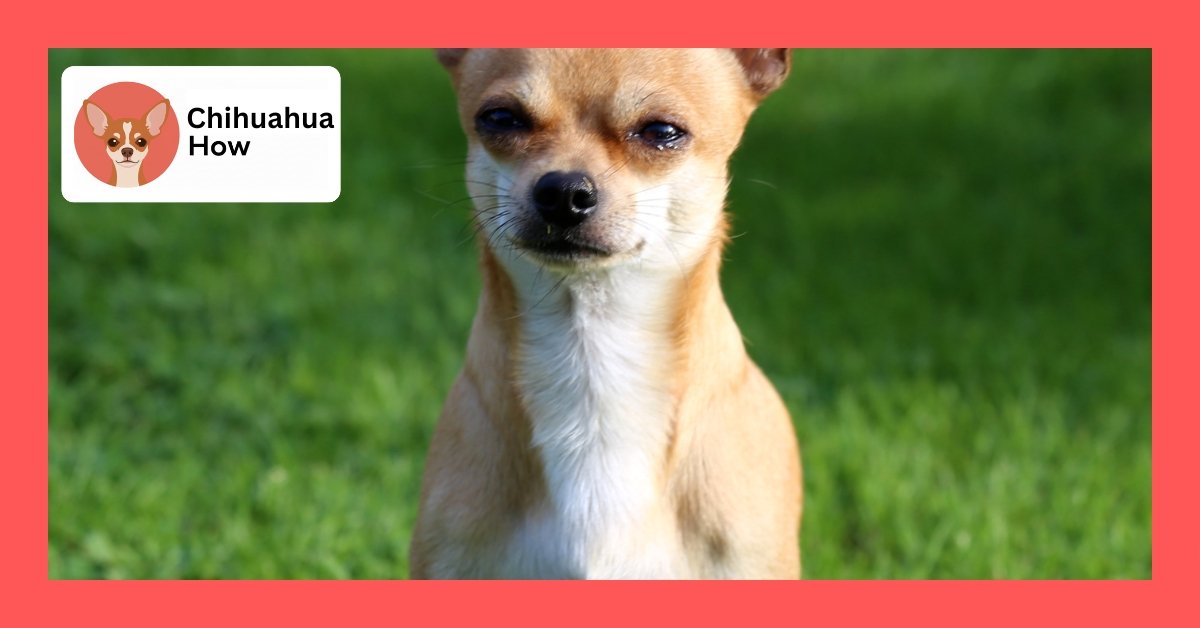
Start in a quiet, enclosed area with high-value treats. Call the puppy’s name once, reward immediately when they come. Never punish a puppy for not coming. Build reliability over weeks before adding distractions. Consistency before 16 weeks yields the best long-term results.
Breakaway Collar for Chihuahuas (Adjustable)
Lightweight and safe for small necks. Sized specifically for toy breeds so it fits without slipping or choking.
Did you know that 70% of Chihuahua owners struggle with recall training because traditional methods ignore this breed’s unique personality? These tiny, spirited dogs often dart after distractions, putting themselves at serious risk in traffic or unfamiliar areas.
Chihuahua puppy recall training focuses on positive reinforcement techniques specifically tailored to their sensitive, independent nature. Unlike larger breeds, Chihuahuas require low, exciting voices and apartment-friendly games to master this life-saving skill.
This comprehensive guide will transform your fearless little escape artist into a reliable companion who comes when called, giving you both the confidence to enjoy safe off-leash adventures together.
Why Chihuahua Puppy Recall Training Is Critical for Safety
Chihuahuas face unique dangers that make recall training absolutely essential. Their bold personalities and high prey drive often override their tiny size awareness, leading them to chase squirrels into busy streets or bolt after interesting smells.
Unlike larger dogs, a Chihuahua’s 2-6 pound frame makes them virtually invisible to drivers and vulnerable to injury from even small impacts. Professional trainers emphasize that consistent recall training can prevent 95% of these preventable accidents.
Without proper training, these scenarios become daily worries:
- Darting into traffic during walks
- Getting lost in crowds due to their small size
- Ignoring calls when distracted by other dogs or people
- Running away during off-leash park visits
Understanding Your Chihuahua’s Learning Style
Chihuahuas learn differently than other breeds, requiring specialized approaches for successful recall training. Their independent streak means they choose when to listen, while their sensitivity demands gentle, positive methods.
Breed-Specific Training Challenges
These tiny dogs present unique obstacles that generic training methods often fail to address. Chihuahuas typically show stubbornness when overwhelmed and fearfulness in new environments.
Their small stature also means you need to adjust your body language. Getting down to their eye level and using an exciting, higher-pitched voice captures their attention far better than standing tall and using stern commands.
The Chihuahua Motivation System
Unlike food-driven breeds, Chihuahuas often respond better to play-based rewards and social interaction. They crave attention and approval from their favorite humans more than treats.
Successful training sessions should be short (5-10 minutes), frequent (3-4 times daily), and always end on a positive note. This prevents mental fatigue and maintains their enthusiasm for learning.
Step-by-Step Chihuahua Recall Training Method
This proven system builds reliable recall through gradual progression, starting in distraction-free environments and slowly adding complexity.
Phase 1: Indoor Foundation (Week 1-2)
Begin training inside your home where your puppy feels safe and confident. Choose a unique recall cue like “come” or “here” that family members will use consistently.
- Get low: Kneel or sit on the floor at your puppy’s level
- Use happy voice: Call their name followed by your chosen cue with excitement
- Reward immediately: The moment they move toward you, praise enthusiastically
- Release properly: Say “okay” or “free” so they know the exercise is complete
Practice this 10-15 times per day in different rooms, always keeping sessions positive and brief.
Phase 2: Secured Outdoor Practice (Week 3-4)
Move training to your backyard or secure area using a 10-15 foot long leash for safety. This prevents your puppy from learning that ignoring the recall cue is an option.
Start at 3-5 feet distance and gradually increase as success rate improves. Never call your puppy if you cannot ensure they will respond – this prevents teaching them that the cue is optional.
Phase 3: Controlled Distractions (Week 5-6)
Slowly introduce the “3 D’s” – Distance, Duration, and Distractions. Only increase one element at a time to set your puppy up for success.
Begin with mild distractions like toys on the ground, then progress to moving objects and eventually other people or dogs at a distance.
| Week | Distance | Distractions | Success Rate Goal |
|---|---|---|---|
| 1-2 | 3-5 feet | None (indoors) | 90% |
| 3-4 | 10-15 feet | Outdoor sounds | 80% |
| 5-6 | 20-30 feet | Mild distractions | 75% |
| 7-8 | 50+ feet | Moderate distractions | 85% |
Fun Recall Games for Chihuahua Puppies
These engaging activities make training feel like playtime while building strong recall responses.
Happy Returns Game
After your puppy comes when called, toss a few treats away from you before releasing them. This teaches that coming to you doesn’t always end the fun, preventing reluctance to return.
This game works especially well with Chihuahuas because it satisfies their desire to chase while reinforcing the recall behavior.
Hide and Seek Training
Hide in another room and call your puppy using your recall cue. When they find you, celebrate enthusiastically with treats and praise.
This builds problem-solving skills while strengthening their motivation to seek you out when called.
Follow Me Walks
During leashed walks, suddenly change direction while saying “follow me” in an exciting voice. When your puppy catches up, reward them generously.
This technique builds focus and teaches your Chihuahua to pay attention to your movements and voice cues.
Common Mistakes That Sabotage Chihuahua Recall Training
Avoiding these frequent errors will accelerate your puppy’s progress and prevent setbacks.
Using Recall for Negative Experiences
Never call your puppy to end something they enjoy or for unpleasant activities like baths or nail trims. This creates negative associations with the recall cue.
Instead, go collect your puppy directly when needed, keeping the recall command reserved for positive interactions only.
Inconsistent Cue Words
Family members using different words (“come,” “here,” “come here”) confuses your puppy and slows learning. Choose one cue and ensure everyone uses it consistently.
Write the chosen word on your refrigerator as a reminder for family members and visitors.
Practicing in High-Distraction Areas Too Early
Taking untrained puppies to dog parks or busy streets sets them up for failure. Master recall in controlled environments before gradually adding distractions.
Your puppy needs to succeed 8-9 times out of 10 in easier situations before progressing to harder challenges.
Troubleshooting Stubborn Chihuahua Behavior
When your independent Chihuahua starts ignoring recall cues, these strategies will get training back on track.
The Resistance Phase
Around 4-6 months, many Chihuahuas test boundaries by selectively ignoring commands. This is normal adolescent behavior, not training failure.
Go back to easier environments and higher-value rewards during this phase. Consistency and patience will overcome this temporary setback.
Boosting Motivation
If treats aren’t working, experiment with different rewards:
- Favorite toys or squeaky sounds
- Physical affection like belly rubs
- Access to exciting activities (like going outside)
- Social rewards like animated praise
Rotate rewards to keep your puppy guessing and maintain high motivation levels.
Advanced Techniques for Reliable Off-Leash Freedom
Once your Chihuahua masters basic recall, these advanced methods ensure safety in any environment. For dogs that show promise in advanced training, you might also explore agility training opportunities to further develop their focus and responsiveness.
Emergency Stop Command
Teach a separate “stop” or “wait” cue for dangerous situations when your puppy is too far away for immediate recall.
Practice this command with your puppy on a long leash, rewarding them for freezing in place until you reach them.
Proofing Against Real-World Distractions
Gradually expose your trained puppy to challenging scenarios while maintaining control:
- Other dogs playing nearby
- Food dropped on the ground
- Cyclists or joggers passing by
- Loud noises or sudden movements
Always use a long leash during proofing sessions until you achieve 95% success rate in each scenario.
Mastering Chihuahua puppy recall training requires patience, consistency, and understanding of your breed’s unique needs. Remember that these tiny dogs learn best through positive experiences and play-based methods rather than intimidation or force.
The key to success lies in starting early, keeping sessions short and fun, and gradually building complexity as your puppy’s confidence grows. With proper training, your Chihuahua will develop reliable recall that keeps them safe while allowing the off-leash freedom both of you desire.
Investing time in recall training now prevents years of frustration and worry, creating a stronger bond between you and your fearless little companion.
Breakaway Safety Collar for Chihuahuas
A lightweight, adjustable collar sized for a Chihuahua’s tiny neck. Essential for ID tags and everyday identification.
Check Price on Amazon → (paid link)
Frequently Asked Questions About Chihuahua Recall Training
How long does it take to train a Chihuahua puppy to come when called?
Most Chihuahua puppies develop reliable recall within 6-8 weeks of consistent daily training. However, this varies based on the individual dog’s personality, training frequency, and environmental factors. Puppies trained in multiple short sessions daily typically progress faster than those with sporadic training schedules.
Why won’t my Chihuahua puppy come when called outside?
Outdoor environments present overwhelming distractions that exceed your puppy’s current training level. Return to practicing in less stimulating areas and gradually increase difficulty. Ensure you’re using high-value rewards and maintaining an exciting, positive tone when calling your puppy.
Can I train recall without treats for my Chihuahua?
Yes, many Chihuahuas respond better to play, praise, or physical affection than food rewards. Experiment with different motivators like squeaky toys, belly rubs, or access to favorite activities. The key is finding what your individual puppy values most highly.
What should I do if my Chihuahua runs away when I call them?
Never chase your puppy, as this turns recall into a fun game of keep-away. Instead, run in the opposite direction while calling excitedly, making yourself more interesting than whatever distracted them. Practice recall only in secured areas until reliability improves.
Is it safe to let my Chihuahua off-leash in public areas?
Only after achieving 95% success rate in various distractions should you consider off-leash time in safe, enclosed areas. Due to their tiny size and bold personality, Chihuahuas face greater risks than larger breeds. Start with securely fenced dog parks before progressing to open spaces.
How often should I practice recall training with my Chihuahua puppy?
Practice recall 3-4 times daily in sessions lasting 5-10 minutes each. Short, frequent sessions prevent mental fatigue while maintaining enthusiasm. Integrate recall practice into regular activities like meal time and play sessions for maximum effectiveness.
What’s the best age to start recall training with Chihuahua puppies?
Begin recall training as early as 8 weeks old when puppies are most receptive to learning. Starting early allows you to shape desired behaviors before bad habits develop. However, older puppies and adult Chihuahuas can still learn reliable recall with patience and consistent training.
About the Author
Dane G. is a Chihuahua owner and enthusiast who writes about the breed’s unique needs, personality, and care requirements. All advice is based on personal experience and research from veterinary and breed-specific sources.