
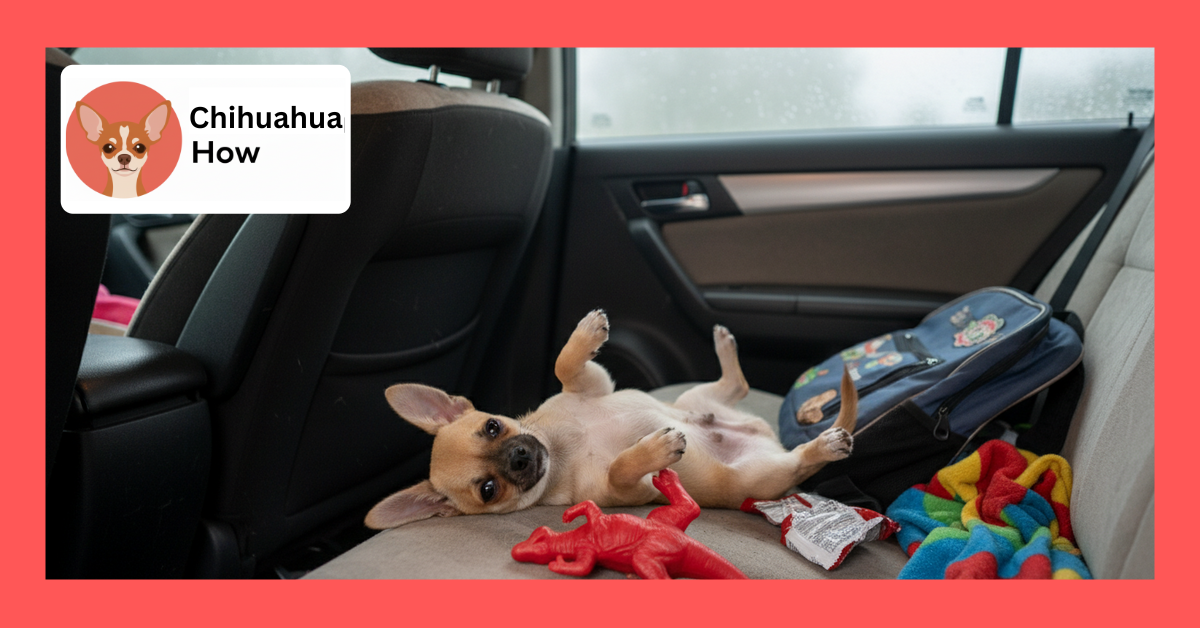
The most common causes are intestinal parasites, dental pain preventing eating, food allergies, hypoglycemia, or an underlying illness. If ribs are visible with no fat cover, visit a vet. Many Chihuahuas that look skinny to owners are actually at a healthy weight for the breed.
Does your Chihuahua look like a walking skeleton despite finishing every meal? You’re not alone. Nearly 40% of Chihuahua owners worry their dog is underweight, yet many don’t realize that what looks “skinny” might actually be normal for this tiny breed.
Why is my Chihuahua too skinny? Chihuahuas can appear skinny due to their naturally lean build, but concerning weight loss despite normal eating often indicates dental disease, parasites, metabolic disorders, or nutritional deficiencies that require immediate veterinary attention.
Understanding the difference between a naturally petite Chihuahua and a genuinely underweight dog could save your pet’s life. According to the American Kennel Club, small breed dogs face unique health challenges that larger dogs simply don’t experience.
Normal Chihuahua Body vs. Unhealthy Underweight
Chihuahuas naturally have a lean, delicate frame that can appear “skinny” compared to other breeds. However, distinguishing between normal body condition and problematic weight loss is crucial for your dog’s health. Understanding normal Chihuahua weight ranges can help you determine if your pet falls within healthy parameters.
Soft Grooming Brush for Chihuahuas
Gentle on thin Chihuahua skin. Regular brushing keeps the coat healthy and reduces shedding on furniture and clothes.
Healthy Chihuahua Body Condition
A healthy Chihuahua should have ribs that are easily felt but not visible under normal lighting. The waist should be clearly defined when viewed from above, and there should be a slight abdominal tuck when viewed from the side.
Warning Signs of Unhealthy Weight Loss
- Visible ribs and spine protruding prominently
- Prominent hip bones easily seen through the skin
- Gaunt facial appearance with sunken cheeks
- Muscle wasting particularly noticeable in the hindquarters
7 Hidden Medical Causes Why Your Chihuahua Stays Too Skinny
1. Dental Disease and Oral Pain
Dental problems affect up to 80% of small breed dogs by age three. Abscessed teeth, gum disease, or oral tumors make eating painful, causing your Chihuahua to avoid food despite being hungry. For comprehensive information on maintaining your dog’s oral health, check our Chihuahua dental care guide.
Watch for bad breath, pawing at the mouth, or reluctance to chew hard kibble. Your dog might approach food eagerly but then walk away after a few bites.
2. Gastrointestinal Parasites
Internal parasites like roundworms, hookworms, and tapeworms steal nutrients from your Chihuahua’s digestive system. Even with regular meals, parasites prevent proper nutrient absorption, leading to weight loss and malnutrition.
Common signs include diarrhea, vomiting, visible worms in stool, and a pot-bellied appearance despite overall thinness.
3. Hypoglycemia (Low Blood Sugar)
Chihuahuas’ fast metabolism makes them particularly vulnerable to hypoglycemia. This condition causes weakness, lethargy, tremors, and can lead to collapse if untreated.
Puppies under six months are especially at risk and may need frequent small meals every 2-3 hours to maintain stable blood sugar levels.
4. Thyroid and Metabolic Disorders
Hyperthyroidism accelerates metabolism beyond normal levels, causing rapid weight loss despite increased appetite. Affected dogs may also show restlessness, excessive panting, and increased thirst.
Diabetes mellitus represents another metabolic cause, often accompanied by excessive water consumption and frequent urination.
5. Kidney Disease
Kidney disease forces the body to break down fat and muscle tissue as the organs struggle to filter toxins. Early signs include increased thirst, frequent urination, vomiting, and lethargy.
This condition progresses silently, making regular veterinary checkups essential for early detection.
6. Liver Disease
Liver problems impair your Chihuahua’s ability to digest, absorb, and metabolize nutrients properly. Symptoms often include abdominal pain, vomiting, jaundice (yellowing of gums and whites of eyes), and increased thirst.
7. Poor Quality Diet or Insufficient Calories
Not all dog foods are created equal. Low-quality diets may lack adequate protein, fats, or essential nutrients needed for maintaining healthy weight in high-metabolism breeds like Chihuahuas.
Chihuahua-Specific Feeding Solutions
Chihuahuas require specialized feeding approaches due to their unique physiology and metabolism.
Optimal Feeding Schedule
- Puppies (under 6 months): 4-6 small meals daily
- Adults (6 months – 7 years): 2-3 meals daily
- Seniors (7+ years): 2-3 smaller, easily digestible meals
Caloric Requirements by Weight
| Chihuahua Weight | Daily Calories Needed | Recommended Meal Frequency |
|---|---|---|
| 2-3 lbs | 150-200 calories | 3-4 small meals |
| 4-5 lbs | 200-275 calories | 2-3 meals |
| 6+ lbs | 275-350 calories | 2 meals |
When to Contact Your Veterinarian
Immediate veterinary attention is needed if your Chihuahua shows any combination of these symptoms:
- Rapid weight loss over 1-2 weeks
- Lethargy or weakness that interferes with normal activities
- Vomiting or diarrhea lasting more than 24 hours
- Refusal to eat for more than one day
- Visible ribs and spine with muscle wasting
How to Prepare for Your Vet Visit
Document your Chihuahua’s eating habits, including meal times, food amounts, and any treats given. Take photos showing your dog’s body condition from the side and above.
Orthopedic Self-Warming Dog Bed for Small Breeds
Chihuahuas sleep up to 14 hours a day. A raised, thermal-lined bed keeps them warm without drafts from cold floors.
Bring a fresh stool sample if possible, as this allows for immediate parasite testing.
Safe Weight Gain Strategies for Underweight Chihuahuas
Gradual Calorie Increase
Increase daily calories by 10-15% weekly rather than making dramatic changes. Sudden diet changes can cause digestive upset in sensitive Chihuahuas.
High-Quality Protein Sources
Choose foods with real meat as the first ingredient. Chicken, turkey, and fish provide easily digestible protein that supports muscle development.
Avoid foods with excessive fillers like corn, wheat, or soy, which provide calories without essential nutrients.
Supplement Considerations
Omega-3 fatty acids support coat health and can stimulate appetite. Probiotics help maintain digestive health, especially important if your dog has experienced stress-related appetite loss.
Always consult your veterinarian before adding supplements to ensure they won’t interfere with any medical treatments.
Frequently Asked Questions
How can I tell if my Chihuahua is too skinny or just naturally small?
Perform a hands-on body condition check. You should be able to feel your Chihuahua’s ribs with gentle pressure but not see them prominently. A visible waist when viewed from above is normal, but prominent hip bones and spine indicate underweight condition.
Why is my Chihuahua eating but still losing weight?
Weight loss despite normal eating often indicates underlying medical issues like parasites, dental disease, diabetes, or kidney problems. These conditions prevent proper nutrient absorption or increase metabolic demands beyond what food intake can support.
How much should a healthy Chihuahua weigh?
Healthy Chihuahuas typically weigh between 2-6 pounds, with most falling in the 3-5 pound range. Weight varies significantly based on bone structure and genetics rather than following strict breed standards.
Can stress cause my Chihuahua to be too skinny?
Yes, chronic stress and anxiety can suppress appetite and increase metabolism in Chihuahuas. Changes in environment, routine, or family dynamics can trigger stress-induced weight loss that requires behavioral intervention alongside nutritional support. If your pet shows signs of persistent worry, our guide on Chihuahua anxiety symptoms can help you identify and address these issues.
What’s the fastest safe way to help my underweight Chihuahua gain weight?
Focus on high-calorie, nutrient-dense foods divided into frequent small meals. Add healthy fats like fish oil or small amounts of cooked chicken fat. Expect gradual progress over 4-8 weeks rather than rapid changes.
Should I free-feed my skinny Chihuahua?
Free-feeding isn’t recommended for underweight Chihuahuas. Scheduled meals allow you to monitor intake, prevent food guarding behaviors, and maintain consistent blood sugar levels that are crucial for this breed’s health.
When should I worry about my Chihuahua being too skinny?
Seek veterinary care immediately if your Chihuahua shows lethargy, refuses food for more than 24 hours, has visible ribs and spine, or experiences rapid weight loss. Early intervention prevents serious complications and improves treatment outcomes.
Understanding why your Chihuahua appears too skinny requires careful observation and often professional veterinary assessment. While some Chihuahuas naturally maintain lean builds, genuine underweight conditions demand prompt attention to prevent serious health complications. Monitor your dog’s body condition regularly, maintain consistent feeding schedules with high-quality nutrition, and don’t hesitate to consult your veterinarian when concerns arise.
About the Author
Dane G. is a Chihuahua owner and enthusiast who writes about the breed’s unique needs, personality, and care requirements. All advice is based on personal experience and research from veterinary and breed-specific sources.